Knowing how to apply concealer is mostly about where it goes and how little you need. Too much, in the wrong place, is what makes it crease, look cakey or turn gray by lunch. A few dots, pressed in, look like skin.
Products that help
Details ↓- Check price on Amazon
Affiliate link: we may earn a commission at no extra cost to you.
- Check price on Amazon
Affiliate link: we may earn a commission at no extra cost to you.
- Check price on Amazon
Affiliate link: we may earn a commission at no extra cost to you.
- Check price on Amazon
Affiliate link: we may earn a commission at no extra cost to you.
What is concealer used for?
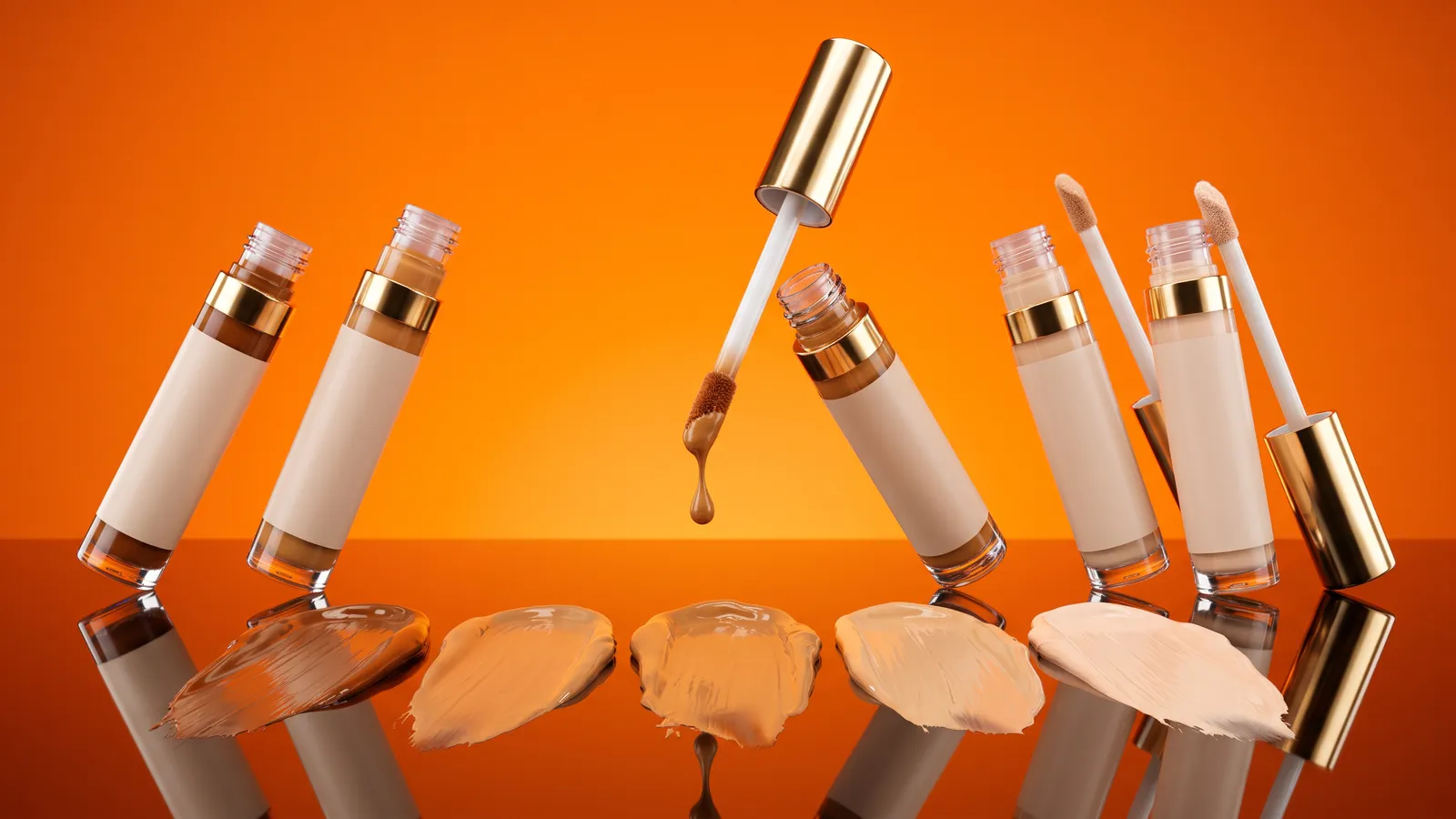
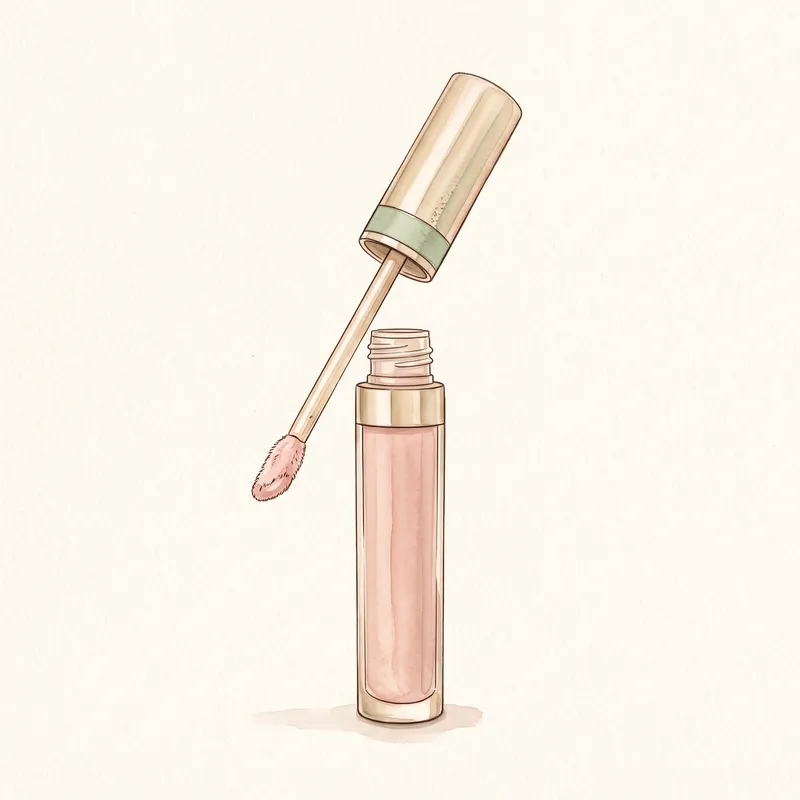
Concealer is used to cover small, specific areas: dark circles, spots, redness and uneven patches. Maybelline describes it as "a thicker, more pigmented product that is used to target specific areas of the face," including "blemishes, dark circles, and redness."
What does concealer do that foundation doesn't?
It covers more in a smaller spot. "Foundation provides sheer to full coverage, while concealer provides spot coverage," Maybelline says. Foundation evens out your whole face; concealer goes only where you need extra help. Not sure which goes on first? Our concealer or foundation first guide covers the order.
Where to put concealer
Here's where concealer goes, area by area.
- Under your eyes. Focus on the darkest part, usually the inner corner. M·A·C senior artist Cynthia Rivas told The Zoe Report to "sweep a light covering of concealer from the inner corner diagonally towards the chin." L'Oréal's tip for its Infallible concealer is a small triangle under each eye, blended outward.
- Around your nose. If you have redness beside your nostrils, tap a small amount there. For strong redness, L'Oréal suggests a green corrector underneath.
- On spots and red patches. Use a concealer that matches your skin exactly. L'Oréal Paris says to "match your concealer to your skin tone as closely as possible" for blemishes, and to "use a clean concealer brush to apply the product over any blemishes."
- Around your lips. L'Oréal suggests going "carefully around the natural line of your lips to clean up your pout."
- To brighten. L'Oréal's highlight spots for a slightly lighter concealer: "down the bridge of your nose, above your cheekbones, on the center of your forehead, and in the middle of your chin."
Where do you put concealer if you have bags?
Keep it in the shadow, not on the puffy part. L'Oréal Paris suggests applying concealer "in a lifted dot motion from your under eye to just below the outer corner of your eye," which it says helps with "camouflaging puffy under eye bags." Concealer on top of the puff makes it stand out more.
How to apply concealer: 6 steps
1. Prep your skin
Moisturize first, especially under your eyes. Rivas advises: "Wait for moisturizers and undereye creams to be fully absorbed by your skin before applying any makeup." Concealer on top of a wet cream slides into lines.
2. Color correct if you need to
For dark circles with blue or purple tones, L'Oréal says to "reach for peach or orange concealers to combat blue or purple tones, and green concealers to neutralize redness." Its under-eye guide suggests "the peach, bisque, or orange shade, depending on your skin tone." Tap a very thin layer on the darkest part only.
3. Pick the right shade for each area
Under your eyes, L'Oréal suggests "a shade that's one step lighter than your natural skin tone." On spots, match your skin exactly; a lighter shade on a blemish makes it stand out. Rivas's tip is to match it to your neck.
4. Use a tiny amount
"Apply a thin layer of concealer on the desired area to start. You can always add more if necessary," L'Oréal says. It also warns that "when you load on too much product," you "risk a cakey, creased texture." A couple of dots per eye is plenty.
5. Tap, don't rub
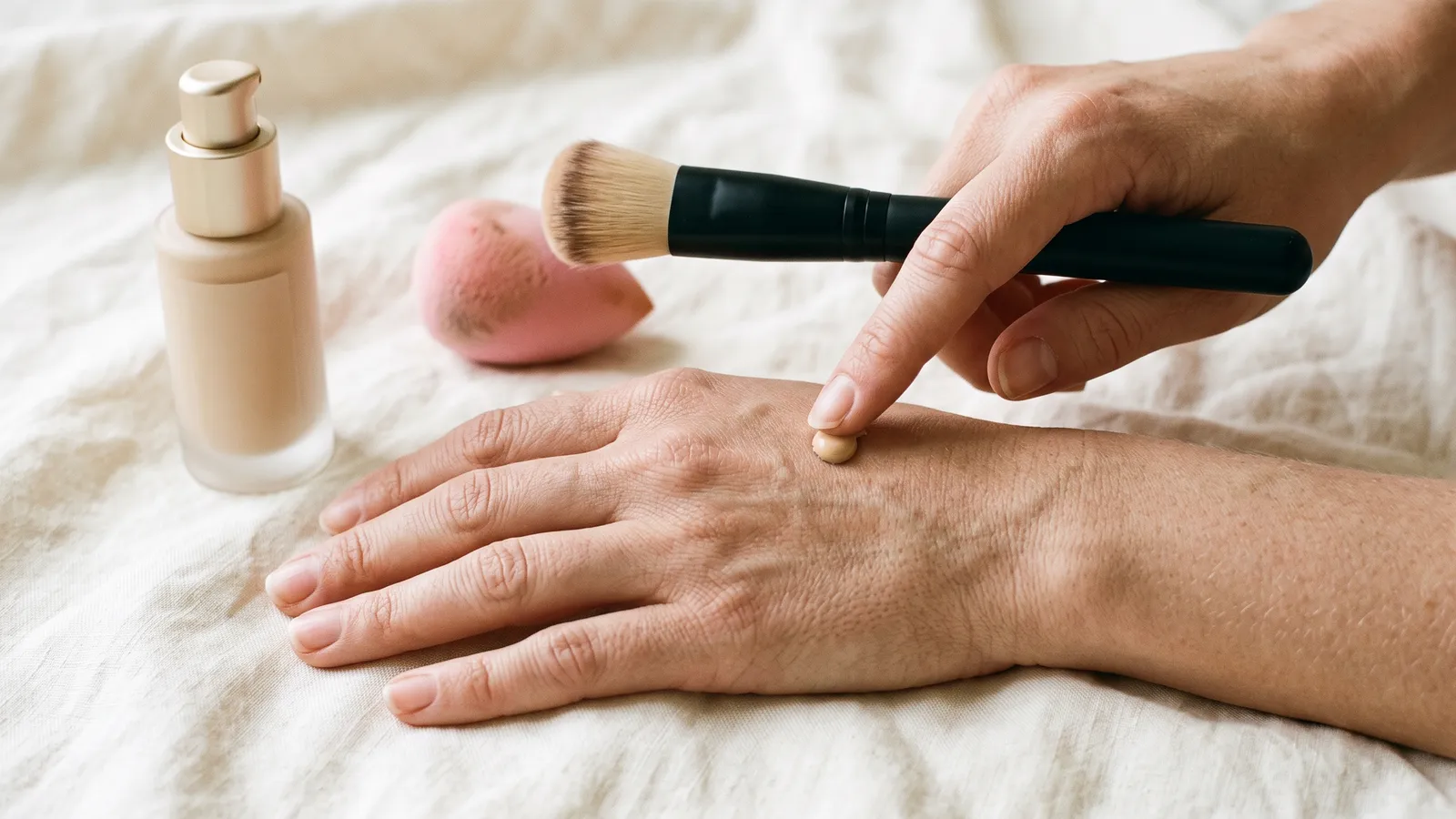
Blend "with a makeup sponge or the pads of your clean fingers so the concealer can melt into the skin," L'Oréal says. Pat the edges until there's no line. Rubbing moves the concealer off the spot you wanted covered. A small, dense brush works too; our best foundation brush roundup includes a few that blend concealer well.
6. Set it so it doesn't crease
Press a small amount of translucent powder over the under-eye area. L'Oréal suggests "a translucent setting powder to avoid excessive creasing." Use a small brush or the corner of a puff, and tap off the excess first. Our guide to setting makeup with powder has more on this. A mist of setting spray at the end helps everything last.
Why concealer creases (and how to stop it)
Concealer creases when there's too much of it, when it sits on wet skin care, or when it isn't set. The skin under your eyes moves every time you smile or blink, so a thick layer folds into lines.
The fixes are the steps above: less product, a fully absorbed eye cream, tapping instead of swiping, and a light press of powder. If you have mature or dry skin, use the smallest amount of powder you can, only right under the lashes, and keep the rest of the area dewy.
Water resistant concealer: when you need one
A water resistant (or waterproof) concealer is worth it for long days, heat, workouts, swimming or happy tears. These formulas are usually more matte and long-wearing. L'Oréal says its Infallible Full Wear formula "resists transferring, fading, creasing, and flaking."
The trade-off: long-wear matte formulas can look dry on a dry under-eye area. Use them on spots and around the nose, and choose a hydrating concealer under your eyes if your skin is dry. You'll also need an oil-based remover or cleansing balm to take a waterproof formula off at night; our makeup removal guide explains why.
Picks that help
e.l.f. Hydrating Camo Concealer
Best for: everyday under-eye and spot coverage, on a budget.
- The e.l.f. store listing calls it "a long-wear liquid concealer that provides crease-proof full coverage while hydrating your skin," with "a smooth, satin finish."
- It's made to cover "imperfections and under-eye circles." The listing is vegan and Leaping Bunny certified.
- Keep in mind: it's full coverage, so a little goes a long way. Use one dot per eye to start.
L'Oréal Paris Infallible Full Wear Waterproof Concealer
Best for: a water resistant concealer for long days, heat and spots.
- L'Oréal says it gives "full-on coverage and full-face wear for up to 24 hours" with "a flawless matte finish," and that the waterproof formula "resists transferring, fading, creasing, and flaking."
- It comes in 25 shades. L'Oréal's tip for dark circles is to "apply the product in a triangle shape under each eye and blend outward."
- Keep in mind: it's L'Oréal's "most pigmented" concealer and matte, so it can look heavy on dry under-eyes. The ingredient list on amazon.com includes fragrance.
L.A. Girl HD Pro Conceal, Peach Corrector
Best for: blue or purple dark circles that show through concealer.
- A peach shade is what L'Oréal's guides suggest to counter blue or purple tones under the eyes.
- The L.A. Girl listing describes a "lightweight, creamy texture" and a "long-wearing, crease-resistant formula," and says it's fragrance-free.
- Keep in mind: it's a corrector, not a concealer. Use a very thin layer under your usual concealer. The listed ingredients include parabens, if you avoid them.
Laura Mercier Translucent Loose Setting Powder
Best for: setting concealer so it stays put.
- Laura Mercier says it "locks in makeup for long-lasting, 16-hour wear without adding weight or texture" and gives "a flawless, matte finish with no photo flashback." It's fragrance-free and "suitable for all skin types."
- The brand suggests a small, flat, tapered brush to "spot set difficult-to-reach areas, like around nostrils."
- Keep in mind: it's a splurge, and Laura Mercier sells a separate under-eye powder, so use only a tiny amount right under the eyes. The original Translucent shade is for fair to medium skin; Honey and Medium Deep suit deeper tones.
FAQs
Where do I put concealer on my face?
Under your eyes (mostly the inner corner), around the sides of your nose, and on any spots or redness. Add a little on the bridge of your nose, the center of your forehead and your chin if you want to brighten, as L'Oréal Paris suggests.
Where does concealer go: under the eyes or on the lid too?
Mostly under the eyes. A tiny amount on the lid can even it out before eyeshadow, but keep it thin and set it, or it will crease.
Should concealer be lighter or darker than my skin?
Under your eyes, about one shade lighter. On spots, an exact match. L'Oréal Paris gives that advice, and it keeps blemishes from looking highlighted.
How do you put on concealer without it looking cakey?
Use less, tap instead of rubbing, and let your eye cream sink in first. L'Oréal warns that loading on too much product risks "a cakey, creased texture." Build thin layers only where you still see the dark spot.
Is waterproof concealer good for everyday use?
It can be, especially on oily skin or in hot weather. On dry or mature skin, a matte waterproof formula can look dry under the eyes, so you might save it for spots or long days and use a hydrating one under the eyes.
What is concealer used for if I don't wear foundation?
Plenty of people wear concealer on its own. It covers dark circles, spots and redness, and the rest of your skin shows through. Tap it in well at the edges so there's no line.
A thin layer, tapped in where you need it, then set: that's how to apply concealer so it still looks good at 5 p.m.