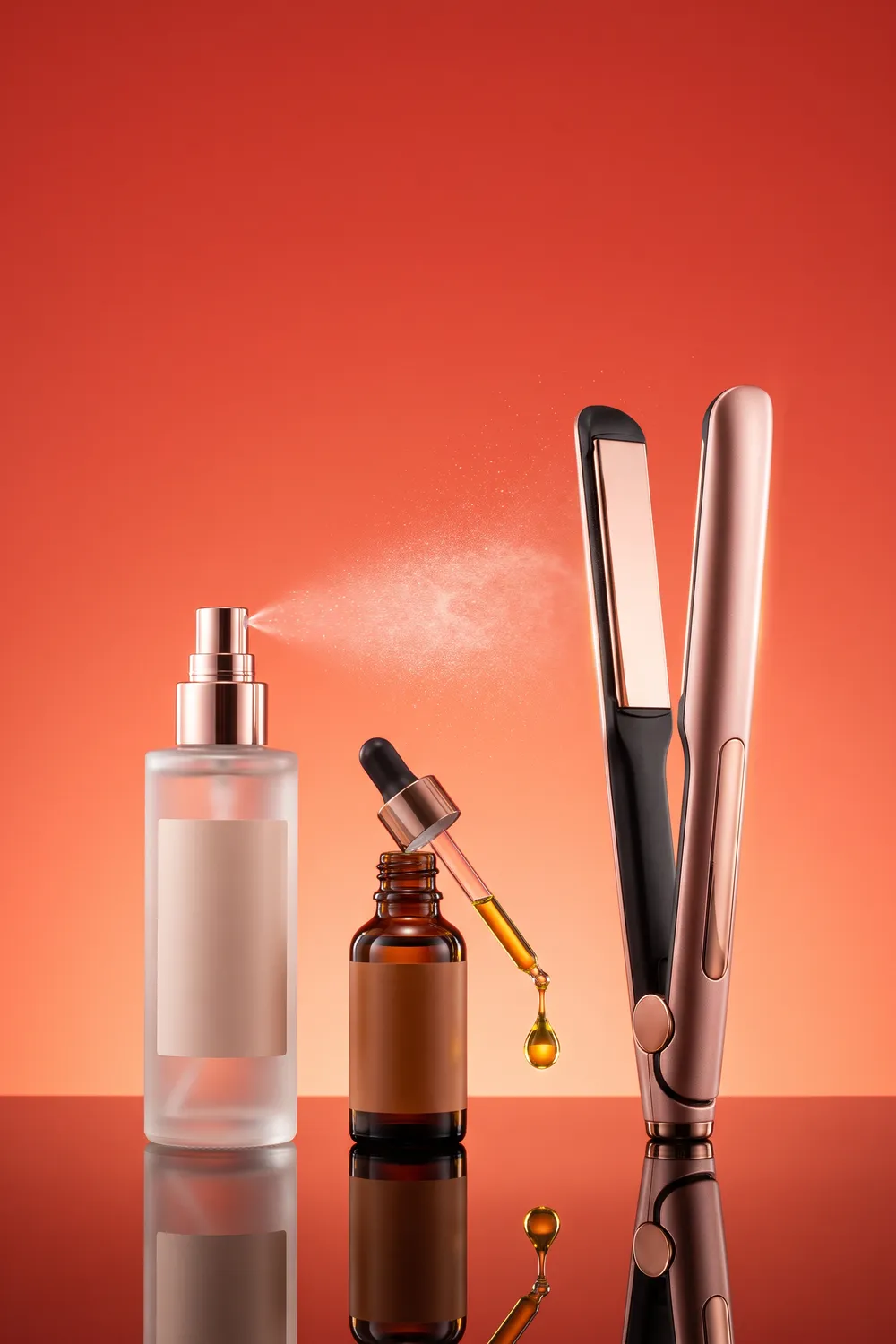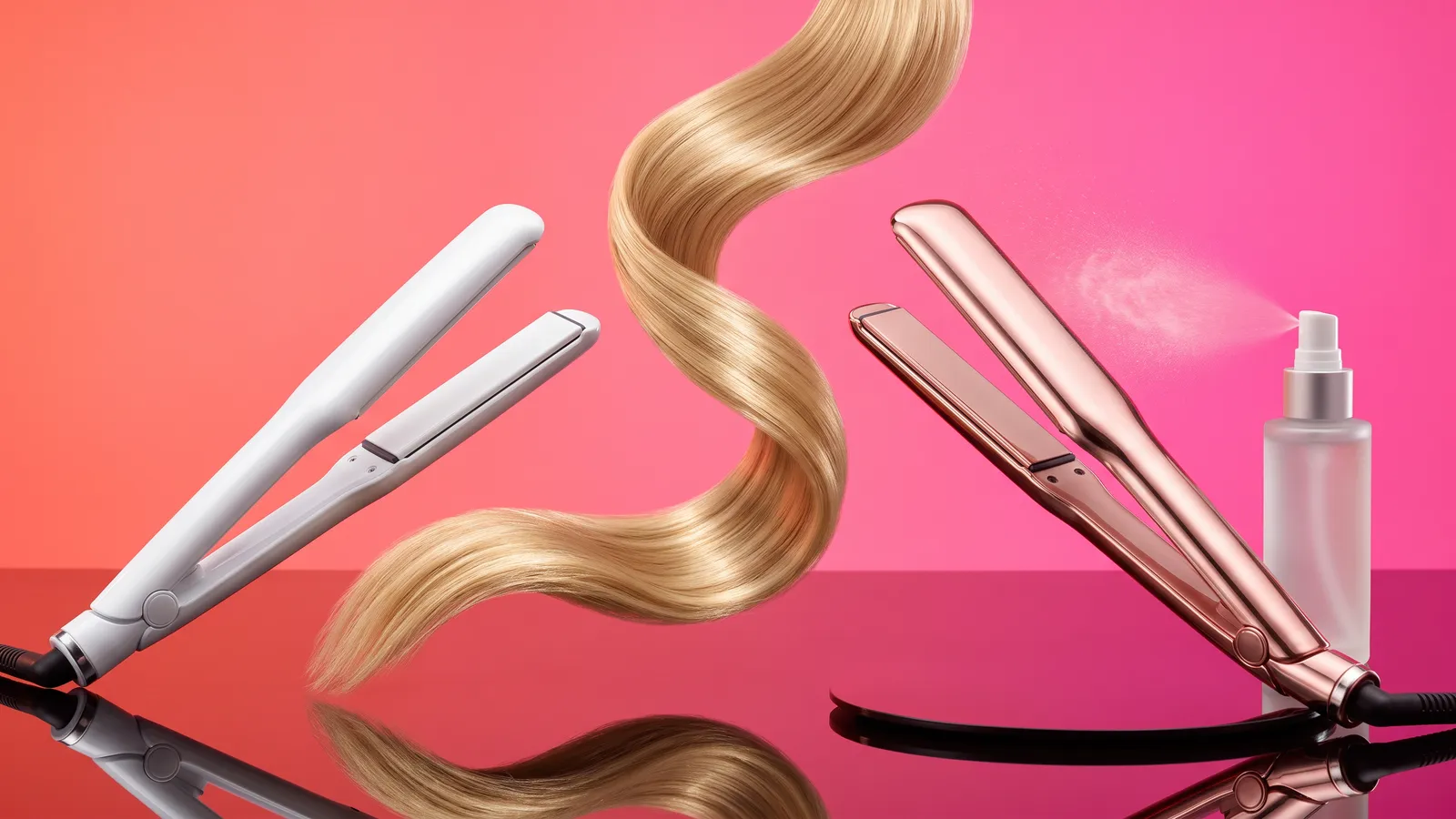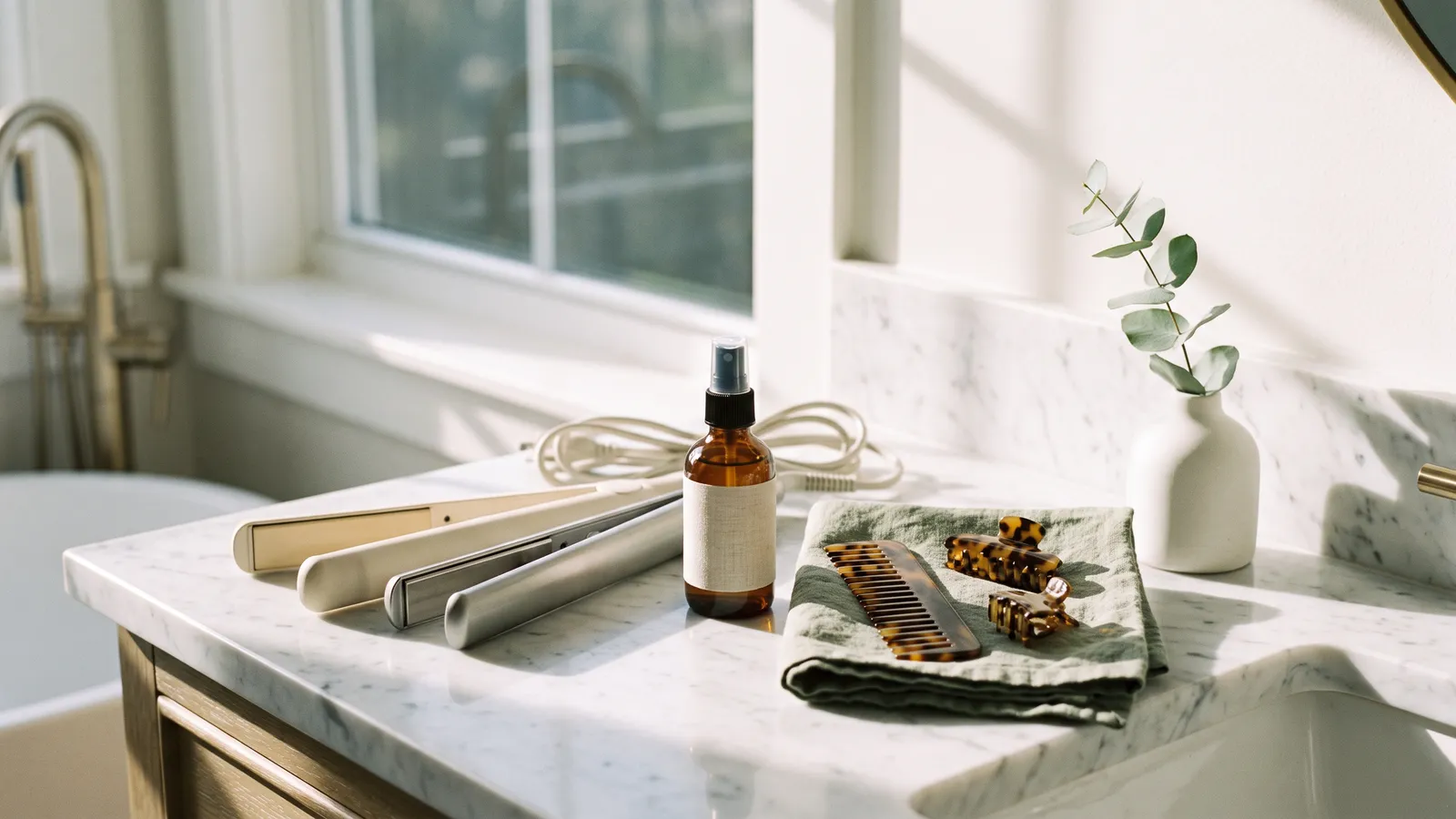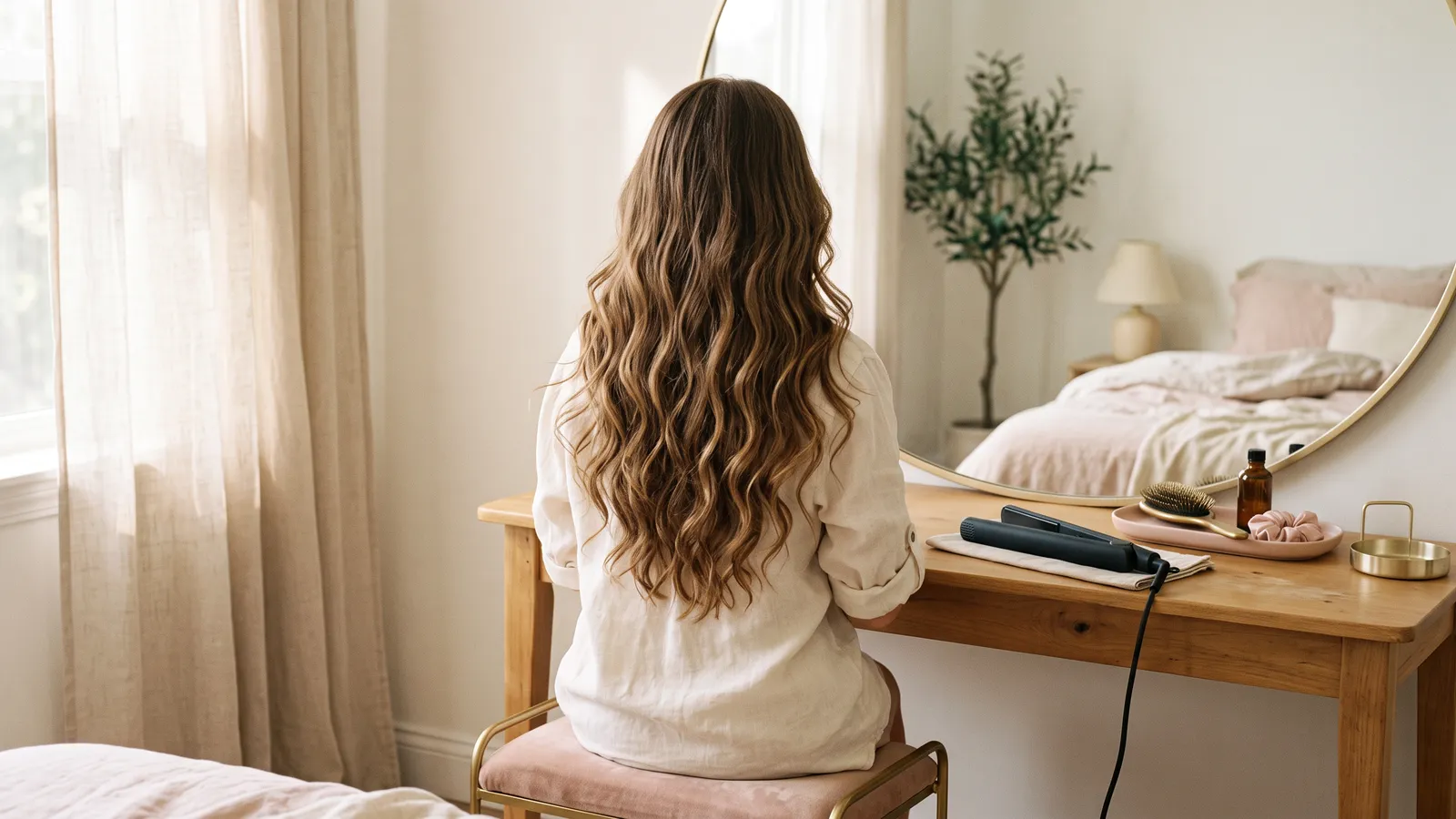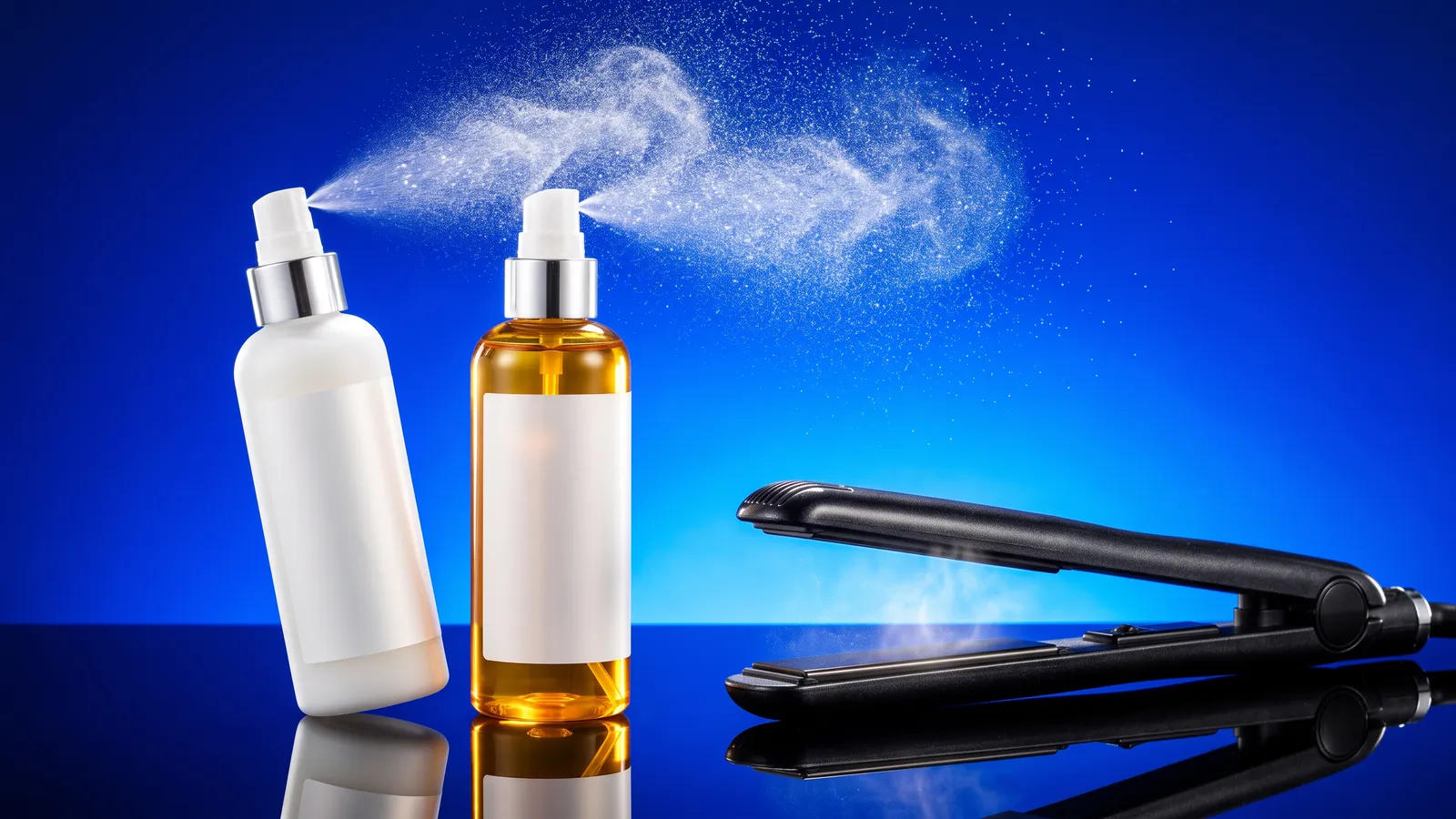
A heat protectant for flat ironing hair is the cheapest insurance you can buy for your hair. It doesn't make a 450°F iron harmless, but it helps reduce how much damage each pass does. Pair it with lower heat and fewer passes, and your ends stay smoother for longer.
Products that help
Details ↓- Check price on Amazon
Affiliate link: we may earn a commission at no extra cost to you.
- Check price on Amazon
Affiliate link: we may earn a commission at no extra cost to you.
- Check price on Amazon
Affiliate link: we may earn a commission at no extra cost to you.
- Best heat protectant for curly hairBriogeo Farewell Frizz Blow Dry Perfection & Heat Protectant CrèmeMid-rangeCheck price on Amazon
Affiliate link: we may earn a commission at no extra cost to you.
Why heat damages hair
"No matter your hair type, excessive heat can damage your hair," the American Academy of Dermatology (AAD) says. A 2019 lab study of flat-ironed hair in the Journal of Cosmetic Dermatology found "heat caused damage to hair cuticle," and the authors stressed "the importance of the control of temperature."
The AAD notes that how you style your hair "can cause hair to look brittle, frizzy and lackluster." Once an end has split, only a trim removes it, as our split ends guide explains. So the goal is to slow the damage down.
Do heat protectants work?
Yes, partly. Michelle Wong of Lab Muffin Beauty Science explains that the polymers in heat protectants "form thin films on the hair surface which slows down heat conduction and distributes heat more evenly," so "the hair will heat up gently rather than suddenly, which causes less damage." Silicones, she notes, "have low thermal conductivities."
The honest limit: she writes that "even the best results show about 50% heat protection at most," and that protectants "can't completely protect your hair." That's why the steps below matter as much as the bottle.
How to use heat protectant before flat ironing: 7 steps
1. Start with completely dry hair
The AAD says "flat irons should be used on dry hair." Wong explains that if hair is wet, "the steam will blast through your hair's structure." Towel-blot, air dry as much as you can, then blow dry the rest. Our round brush blow-dry guide covers that part.
2. Section your hair
Clip your hair into a few sections. Thinner sections need fewer passes, and you can coat each one evenly.
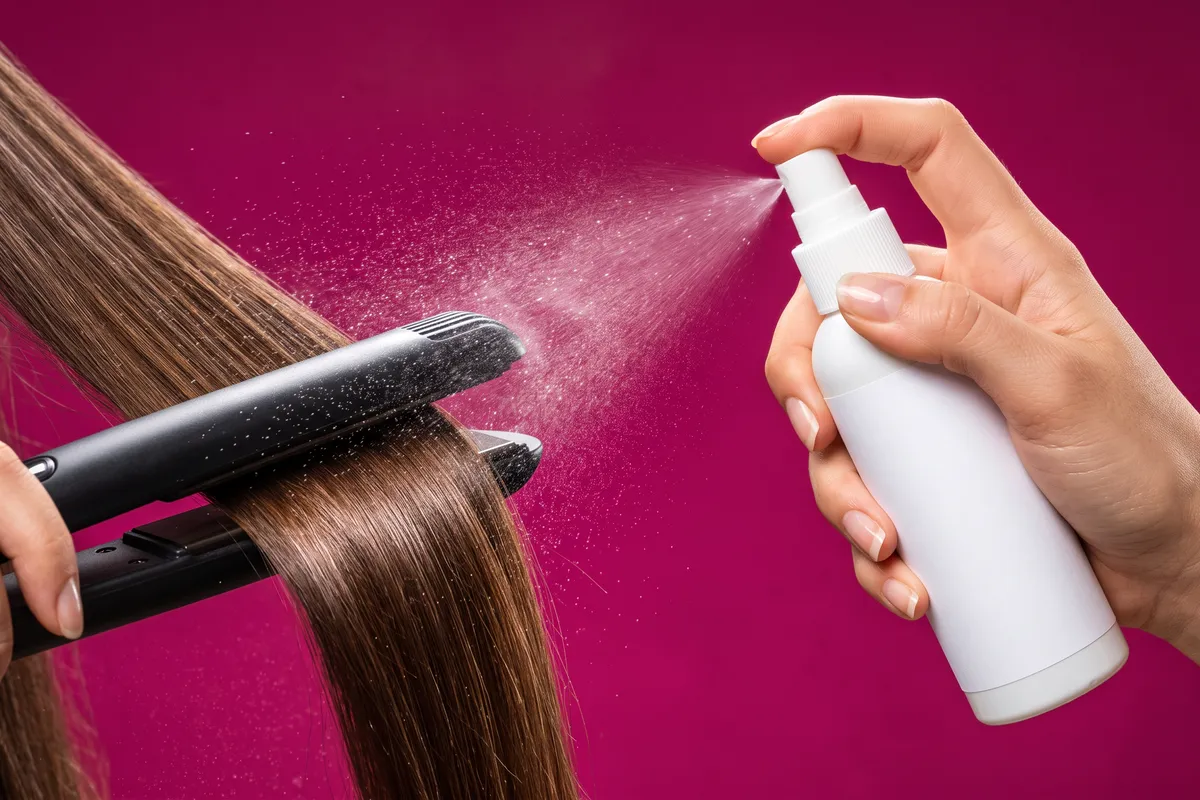
3. Spray each section evenly
For a flat iron, a spray is the easiest. Celebrity hairstylist Sophie Rose Gutterman told NBC Select that "sprays are better when you need to use a hot tool that will directly touch your hair (like a flat iron)." Coat each section evenly from roots to ends, and comb it through so there are no dry patches.
4. Let it dry before the iron touches your hair
Celebrity hairstylist Guy Tang told NBC Select to "let your heat protectant sit for a few minutes before applying any heat." If a product contains water, Wong adds, letting it dry first "would be safer."
5. Turn the heat down
The AAD says to use flat irons "on a low or medium heat setting" and, in its hair care habits advice, "use the lowest heat setting." Stylist Shawn Harvey told NBC Select to start around 250°F for fine hair, 250 to 350°F for medium to thick hair, and 350 to 400°F for thick, coarse hair. NBC also advises choosing a protectant that matches your tool's top temperature. The plate matters a little too: our titanium vs ceramic flat iron guide explains why fine hair usually does better on ceramic.
6. One slow pass per section
In our view, one slow, steady pass beats four fast ones. Every extra pass is more time the hot plates touch your hair, and the AAD's advice is to limit that time.
7. Use hot tools less often
The AAD says flat irons should be used "no more often than every other day," and its habits page suggests "aiming for once a week — or even less often." On the days in between, try heatless curls or a no-heat style.
Heat protectant for curling iron
A heat protectant for curling iron works the same way: spray dry hair, let it dry, then curl. The AAD's advice for curling irons is to "only leave it in place for a second or two" and to "limit the time a hot comb or curling iron touches your hair." Lower heat matters most on fine hair; our best curling iron for fine hair roundup lists irons with low settings, and how to curl hair with a flat iron covers the half-turn technique.
Best heat protectant for fine hair
The best heat protectant for fine hair is a light spray. Guy Tang told NBC Select to "look for a lightweight heat protectant so the hair won't fall flat." Mist from a distance and keep it off the roots if they get greasy fast. Creams and heavy oils tend to weigh fine hair down.
Curl heat protectant: what curly hair needs
For curly hair, prep in two steps. Gutterman told NBC Select that "making sure the hair is prepped with a cream heat protection" is key, then a spray before any hot tool touches it. She also said "creams tend to be best before blow drying," so smooth a cream through damp curls before you blow dry, and spray before you flat iron.
Oil heat protection for hair
Oil-based heat protectants suit dry, frizzy hair. Gutterman told NBC Select "an oil heat protectant is one of the best options" for frizzy, dry hair. Look for one labeled with a heat rating. Use a few drops on mid-lengths and ends only, especially if your hair is fine.
Heat protectant for dyed hair
If you color your hair, protect it every time you use heat. Guy Tang told NBC Select heat protectants "help maintain color longer, reduce frizz, and retain moisture." A color-safe shampoo and lower heat help your color last too.
Picks that help
CHI 44 Iron Guard Thermal Protection Spray
Best for: a heat protectant for flat ironing hair, on any hair type.
- The CHI store listing on amazon.com says it "shields hair from high-heat styling tools up to 450°F" and calls it a "lightweight, non-greasy spray."
- Directions: "Section your hair and spray it with CHI 44 Iron Guard evenly over dry hair," then use your iron "from roots to ends." It's listed as unscented, sulfate-free and paraben-free.
- Keep in mind: some retailers list it for damp or dry hair. For a flat iron, we'd only use it on dry hair and let it dry first.
Moroccanoil Perfect Defense Heat Protectant
Best for: fine hair that goes flat under heavier products.
- Moroccanoil calls it "a weightless, dry aerosol, heat protective spray" with argan oil and vitamins that protects "against the damaging effects of heat styling up to 450°F/230°C."
- NBC Select included it in its heat protectant roundup, where reviewers noted "no waiting period before using a hot tool."
- Keep in mind: it's an aerosol, and it's fragranced (the amazon.com listing names the scent "Fragrance Originale").
Olaplex No. 9 Bond Protector Nourishing Hair Serum
Best for: color-treated hair, and anyone who wants a light serum instead of a spray.
- The amazon.com listing calls it an "ultra-lightweight, heat-protective hair styling serum" with "450ºF/232ºC heat protection" that "protects color."
- NBC Select files it with oils in its heat protectant roundup, and reviewers there say it helps with "combatting tangles and frizz."
- Keep in mind: it's a serum, so use a small amount on lengths and ends. It's listed for all hair types, including curly and coily.
Briogeo Farewell Frizz Blow Dry Perfection & Heat Protectant Crème
Best for: curly, wavy or frizzy hair that you blow dry before using a hot tool.
- Briogeo says the silicone-free cream "smooths hair, protects from heat up to 450°F/232°C," with rosehip, argan and coconut oils and vitamin E.
- Directions: "Apply a dime to quarter-sized amount evenly to damp hair from roots to ends. Blow dry and style as desired." It's in NBC Select's cream category.
- Keep in mind: it's a damp-hair blow-dry cream. Add a spray on dry hair before a flat iron, as Gutterman suggests for curls.
FAQs
What is the best heat protectant spray for straightening hair?
A light spray rated for your iron's top temperature, used on dry hair. CHI 44 Iron Guard is a drugstore pick its listing rates to 450°F. Fine hair may prefer something lighter, like Moroccanoil Perfect Defense.
Do you put heat protectant on wet or dry hair?
It depends on the product. Creams go on damp hair before blow drying, NBC Select's stylists say, and sprays go on dry hair before a flat iron or curling iron. Either way, let it dry before a hot plate touches your hair.
Is there a natural heat protectant for hair?
We found no good evidence that a kitchen oil like coconut oil protects hair from a flat iron. The research Michelle Wong describes is on film-forming polymers and silicones. If you prefer fewer synthetic ingredients, look for a product with a stated heat rating, such as Briogeo's silicone-free cream.
Can you use coconut oil as a heat protectant?
We wouldn't rely on it. Plain coconut oil isn't labeled or rated for heat, and we found no good evidence that it protects hair from a flat iron. Use a product made for heat styling instead.
How often can I flat iron my hair?
The AAD says no more often than every other day, and its habits page suggests once a week or less if you can. On off days, try a heatless style.
Does heat protectant stop all damage?
No. It helps reduce damage, but Wong notes that "even the best results show about 50% heat protection at most." Lower heat, fewer passes and fewer hot-tool days matter just as much.
Spray, let it dry, turn the heat down and make one slow pass: that's the routine that keeps hair smoother between trims.