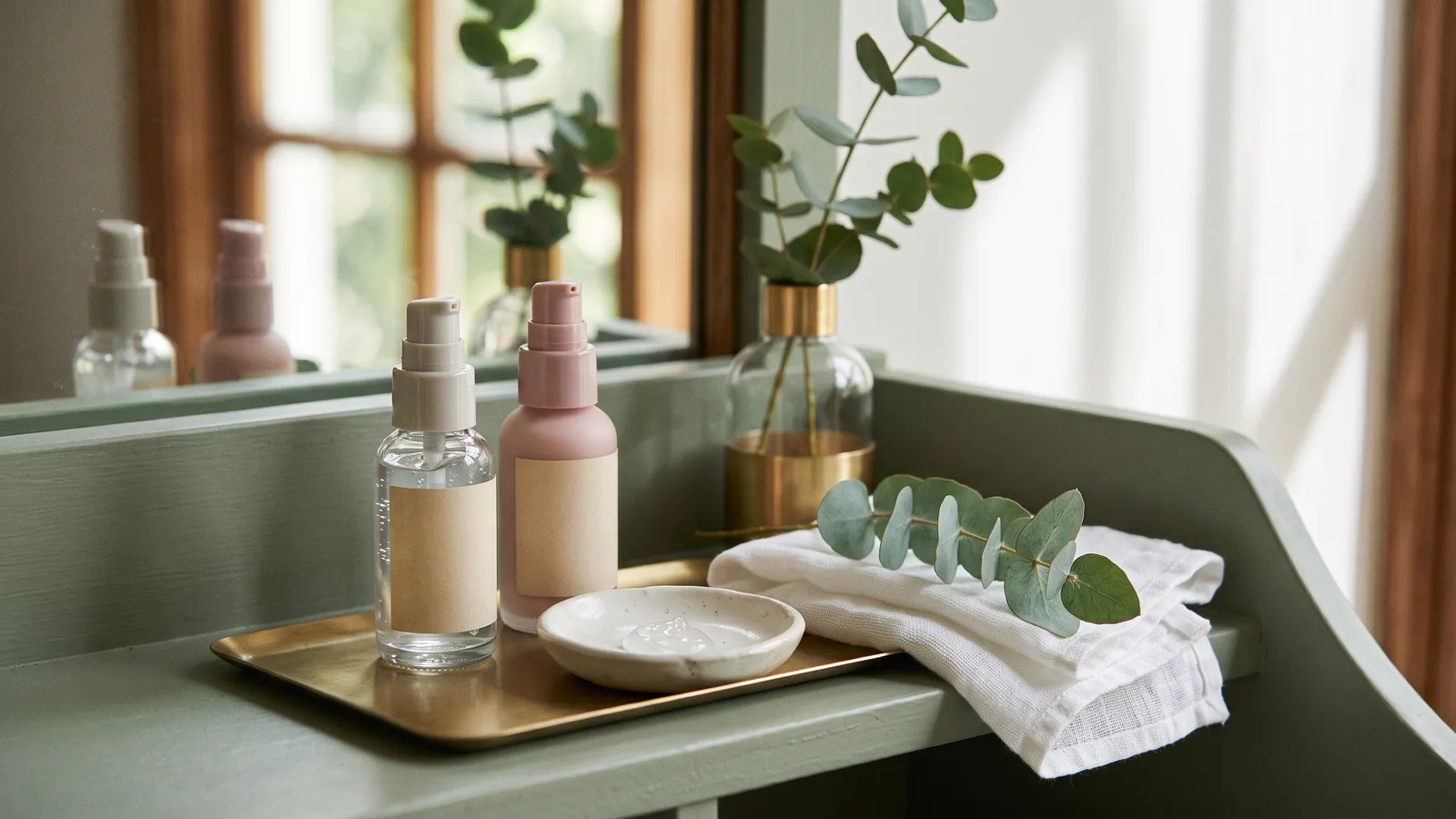
Primer is one of those steps that either does nothing for you or saves your whole face of makeup. The difference is mostly picking the right type for your skin and using less than you'd think.
Products that help
Details ↓- Check price on Amazon
Affiliate link: we may earn a commission at no extra cost to you.
- Check price on Amazon
Affiliate link: we may earn a commission at no extra cost to you.
- Check price on Amazon
Affiliate link: we may earn a commission at no extra cost to you.
- Check price on Amazon
Affiliate link: we may earn a commission at no extra cost to you.
What does makeup primer do?
Primer sits between your skin care and your makeup. It gives foundation a smoother surface to go onto and something to hold on to, so it lasts longer. e.l.f. says primers "enhance the longevity of makeup for those long days and all-nighters," and that some are "designed to reduce pores and fill in any fine lines."
What it won't do is replace moisturizer, or make a foundation that's wrong for your skin look right. If your base slides off by noon even with primer, the foundation itself may be too dewy for you.
Do you actually need primer?
Not always. If your makeup already lasts all day, skip it. Primer is worth it if you have oily skin and shine breaks through by lunch, large pores or texture that foundation settles into, dry patches that make makeup cling, or a long day (or a wedding) ahead.
Types of primer, and which to pick
| Type | What it feels like | Best for |
|---|---|---|
| Gripping | Slightly sticky, tacky gel | Makeup that fades or slides; most skin types |
| Hydrating | Watery gel or lotion, dewy | Dry or dehydrated skin |
| Mattifying | Dries down matte, light | Oily skin, oily T-zone |
| Blurring or pore | Silky, slippery, often silicone | Visible pores, fine texture |
You can use two. A common combination is a mattifying primer on the T-zone and a hydrating one on the cheeks. e.l.f. suggests applying more primer to areas where makeup tends to fade or crease.
Moisturizer and primer: what goes on first
Moisturizer always goes first. e.l.f. says to "always begin with a clean and moisturized base before applying a makeup primer." In the morning the order is skin care, moisturizer, sunscreen, then primer. e.l.f. also says to let sunscreen "fully absorb into the skin for a few minutes prior to applying a primer." Our moisturizer or sunscreen first guide covers the skin-care side.
A hydrating primer can sometimes stand in for a light moisturizer on oily skin, but on dry skin, use both.
How to apply primer: 5 steps
1. Let your skin care sink in
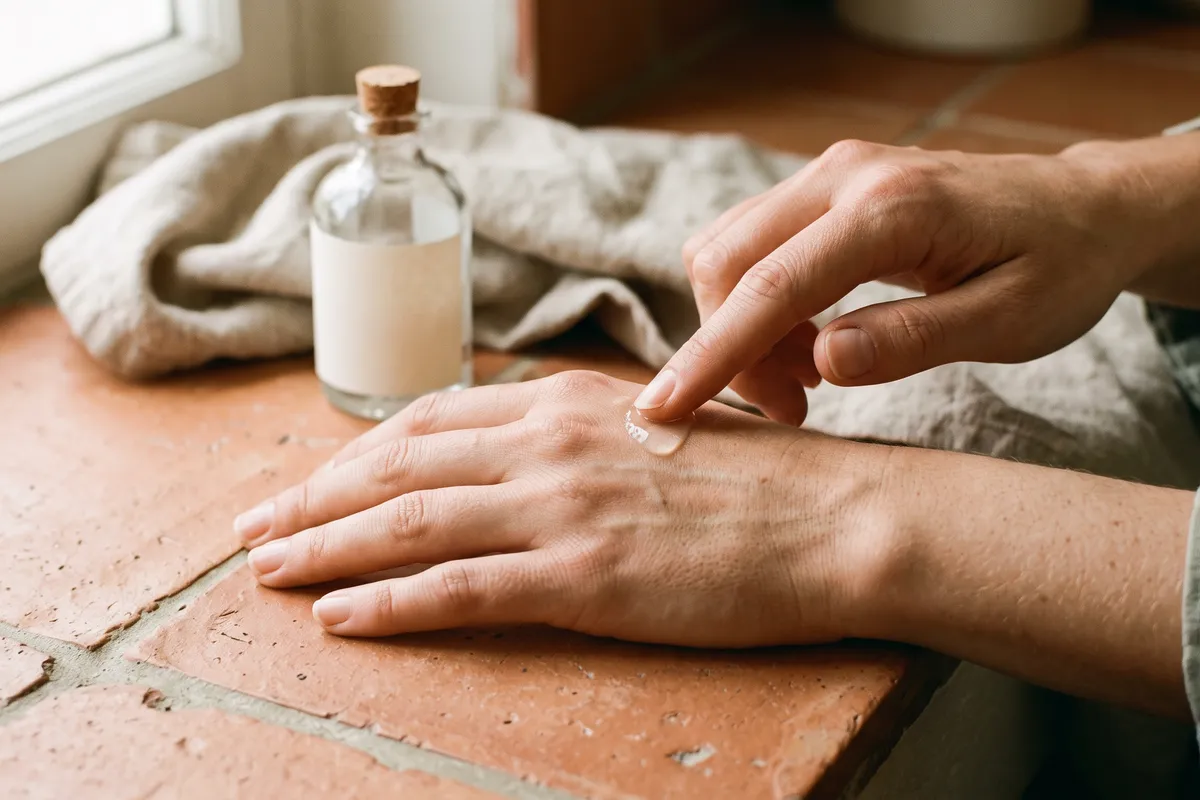
Wait until your moisturizer and sunscreen no longer feel wet. A couple of minutes is usually enough. Primer over damp skin care is the most common cause of pilling, those little rolls that come off when you blend foundation.
2. Use a pea-sized amount
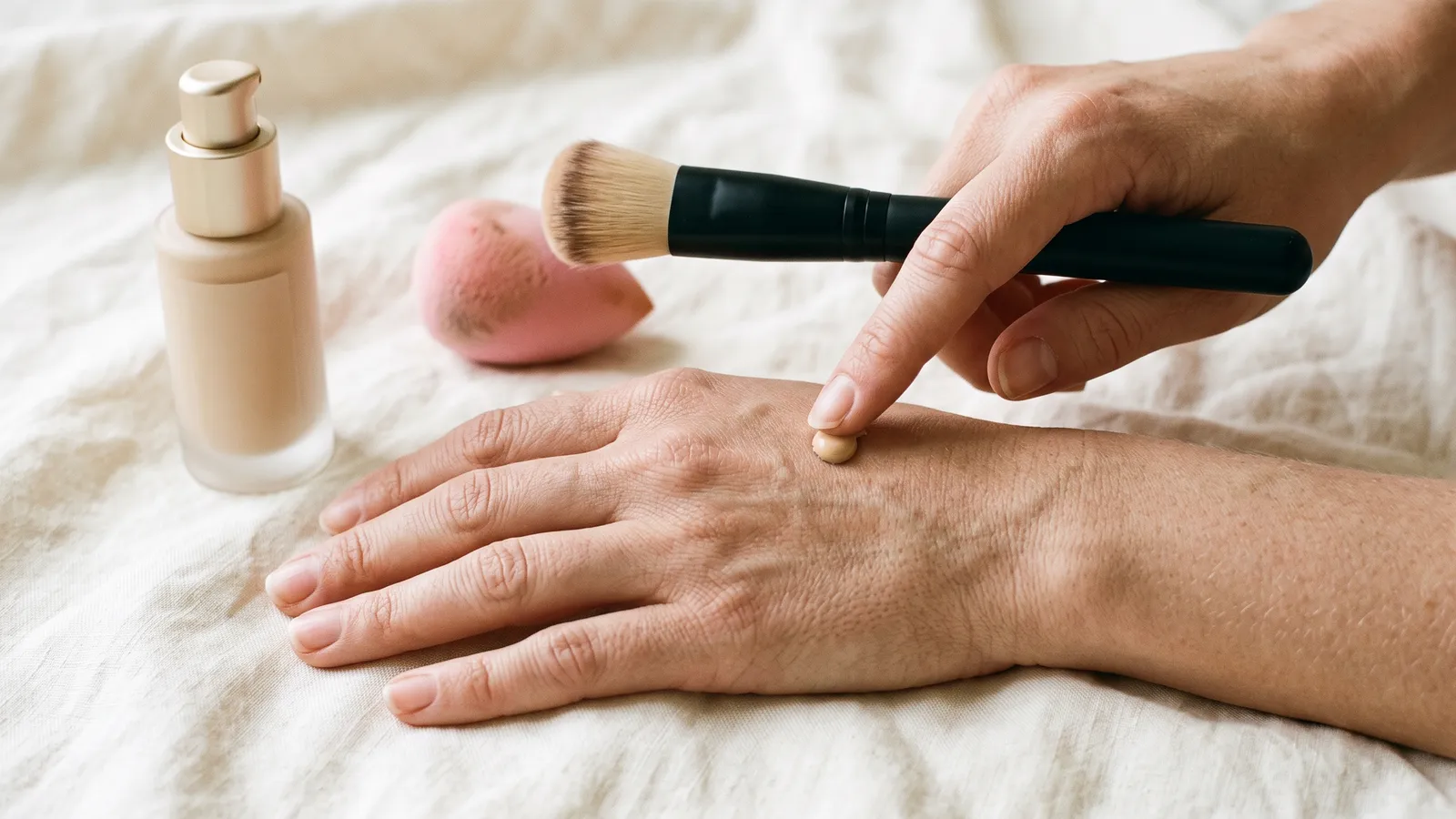
That's for your whole face. e.l.f. says to "take a small amount (about a pea-size!)." If you have a pump, one pump is plenty; Milk suggests "1-2 pumps" of its gel. More primer doesn't make makeup last longer. It just gives the foundation more to slide around on.
3. Warm it and pat it in
Dot it on your forehead, nose, cheeks and chin. Then smooth it out with your fingertips, working from the center of your face outward. e.l.f. says to use "upward and outward motions only." For a gripping primer, patting works better than rubbing; e.l.f.'s Power Grip directions say to "pat into skin" because "the warmth of your fingers will help the product absorb."
4. Focus where makeup fails
Press a tiny bit extra on the problem spots: the sides of your nose, your chin, the T-zone if you get shiny, or the smile lines where foundation creases. Keep primer thin around your eyes unless it's made for that area.
5. Wait before foundation
Give it 30 seconds to a minute. e.l.f. says to "allow 30 seconds to set" for Power Grip; Milk says to let its formula "activate for 1 minute." A gripping primer should feel tacky, not wet, when you touch it. Then go on with your foundation.
Why primer pills, and how to stop it
When primer, sunscreen or foundation balls up into little flakes, it's almost always one of these:
- Too much product. Use less primer, and less of everything under it.
- Not enough waiting. Each layer needs to settle before the next.
- Rubbing instead of pressing. Buffing hard over a tacky primer lifts it. Press or stipple foundation on.
- Formulas that don't get along. Some water-based and silicone-heavy products sit badly together. If one pairing always pills, change one of them rather than fighting it.
How to wear primer with the rest of your makeup
Primer is step one of the base. After that, foundation, then concealer (our concealer or foundation first guide covers the order), then powder and a finishing spray. For long days, primer plus a light setting powder plus a setting spray is what holds up.
Picks that help
e.l.f. Power Grip Primer
Best for: makeup that fades or slides, on most skin types.
- e.l.f. describes a "gel-based face primer that has the power to grip your makeup," made "for dry, combo and oily skin types."
- The listing says it "goes on clear with a translucent finish," is "non-comedogenic (does not clog pores)," and is vegan and cruelty-free.
- Keep in mind: it's tacky by design. Press your foundation on; heavy buffing can drag it.
Milk Makeup Hydro Grip Primer
Best for: dry skin that needs grip and a dewy finish.
- Milk says the clear gel "hydrates and locks in your look for up to 12 hours" and leaves "a dewy finish."
- It lists hyaluronic acid, niacinamide and blue agave extract, and says it's "silicone-free and suitable for all skin types."
- Keep in mind: the finish is dewy, so on oily skin, pair it with a mattifying primer on the T-zone.
NYX Professional Makeup Shine Killer Mattifying Primer
Best for: oily skin, or an oily T-zone.
- NYX says it's "infused with oil-absorbing charcoal" for "all day shine control" and an "ultra-matte finish."
- The listing says it "dries down to a translucent finish," and suggests taking "special care in applying to your t-zone."
- Keep in mind: on dry cheeks a matte primer can make foundation look flat. Use it only where you get shiny.
Maybelline Facestudio Master Prime, Blur + Pore Minimize
Best for: visible pores and fine texture.
- Maybelline says it "blurs skin imperfections and smooths fine lines" and primes skin "without a greasy feel."
- It's a "weightless, water-based formula," and you can "apply all over face before foundation or wear alone."
- Keep in mind: blurring primers work best pressed into the areas with pores, not layered thickly everywhere.
FAQs
How do you apply primer makeup step by step?
Moisturize, apply sunscreen, and wait until it's dry. Take a pea-sized amount of primer, dot it on, and smooth or pat it outward from the center of your face. Wait 30 seconds to a minute, then apply foundation.
How do you use a primer for makeup that lasts all day?
Choose the type that matches your problem (gripping for fading, mattifying for shine), use a thin layer, and press a little extra on the spots that fail first. Set the T-zone with powder and finish with a setting spray.
How do you apply primer on your face with a brush?
You can. Use a dense foundation brush or a flat brush and buff gently in small circles, then let it settle. Fingers are simpler, though, and the warmth helps gel primers spread.
Can you wear primer without foundation?
Yes. A blurring or mattifying primer on its own evens out shine and texture a little. Maybelline's Master Prime, for example, says you can "wear alone."
Should primer go on before or after sunscreen?
After. Sunscreen is the last step of skin care, and primer is the first step of makeup. Let your sunscreen dry first so the primer doesn't lift it.
Why does my foundation look patchy over primer?
Usually too much primer, not enough wait time, or a foundation and primer that don't mix well. Try half the amount, wait a full minute, and press foundation on with a damp sponge instead of buffing.
A pea-sized amount, patted in, with a minute to settle: that's all how to apply primer really comes down to.