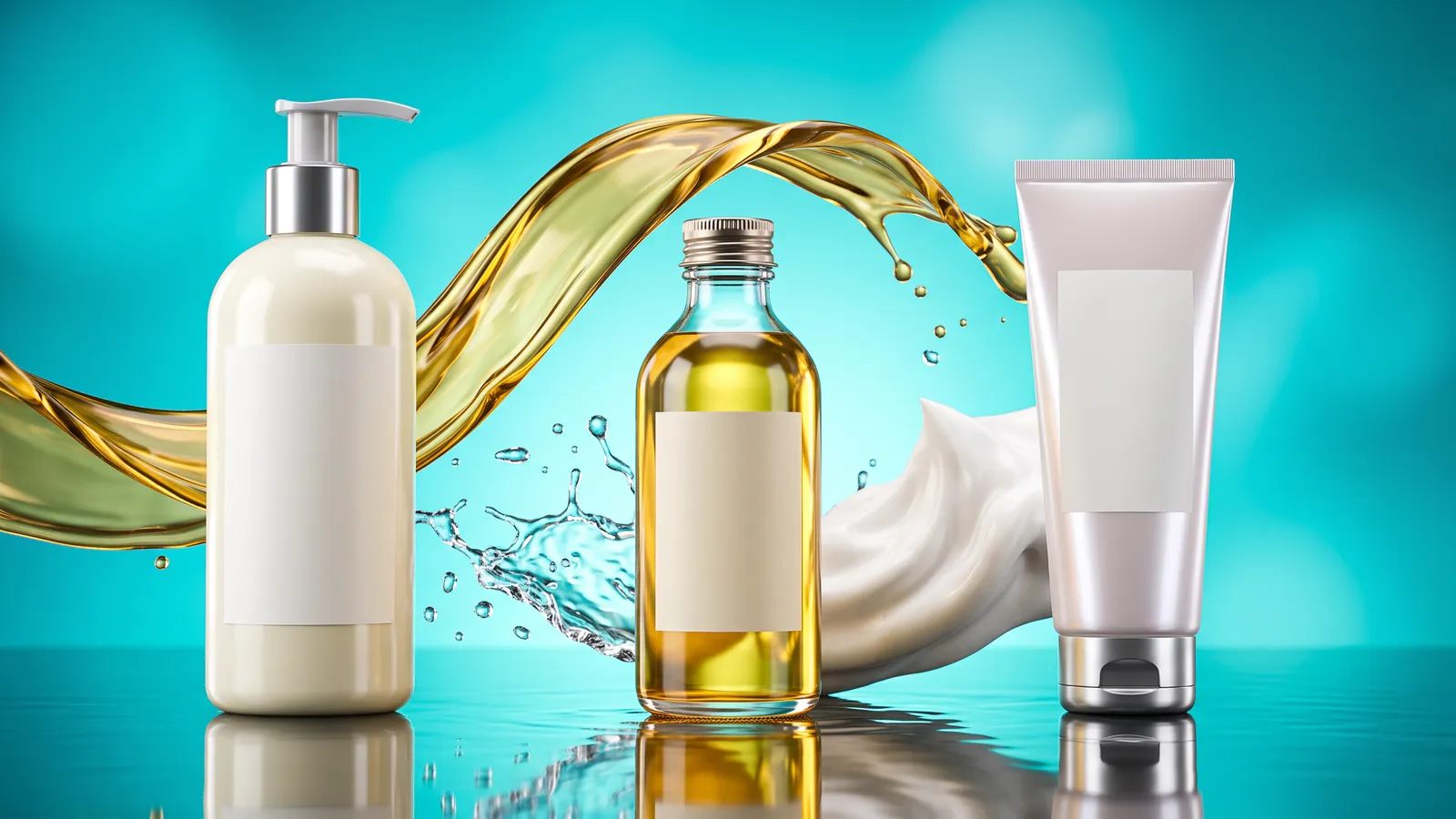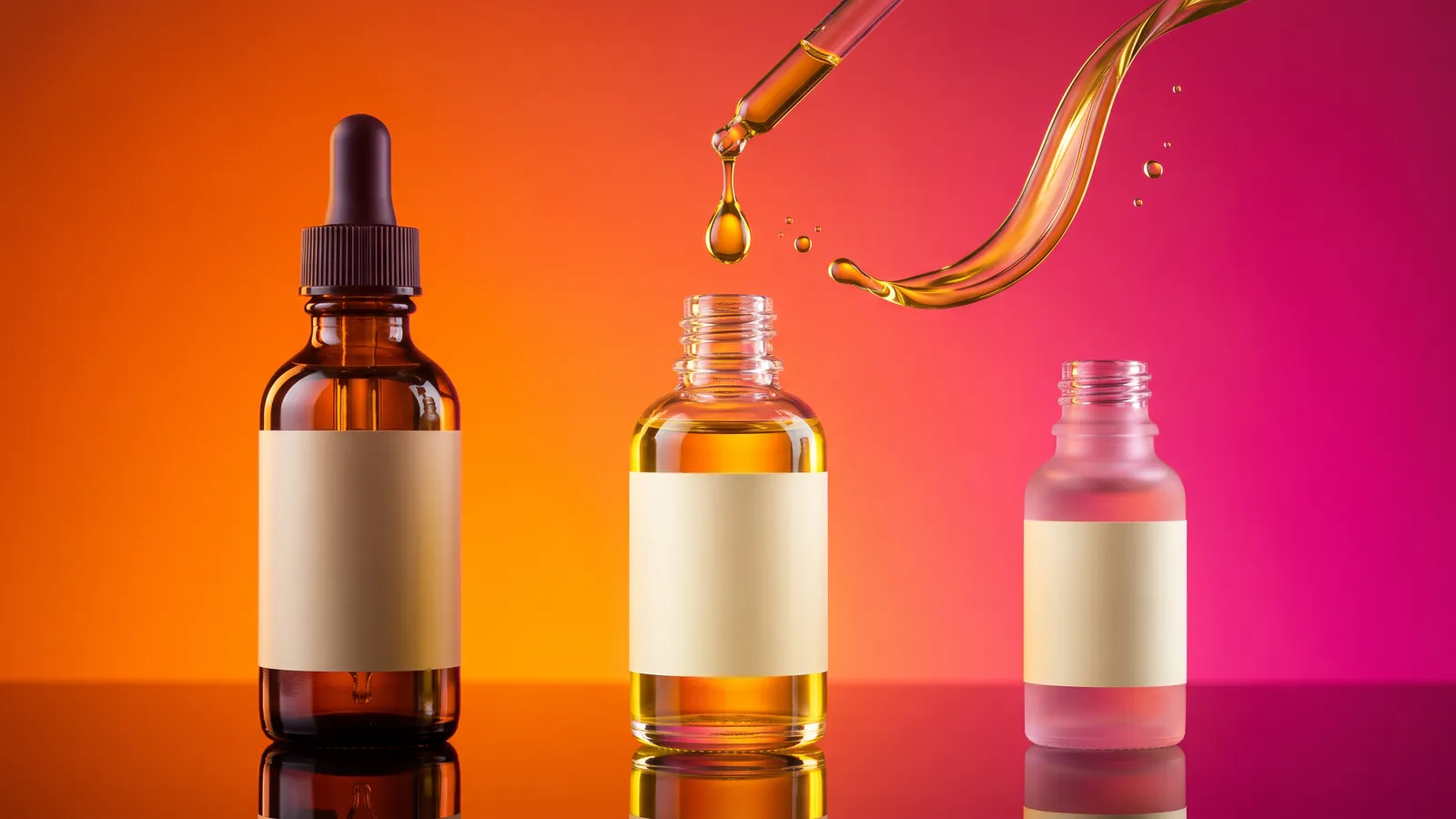
The best face oil for dry skin for most people is a plain one: Biossance 100% Squalane Oil, which sinks in fast and has nothing in it but squalane. If your skin is very dry and tight, Drunk Elephant's Virgin Marula is richer and also skips fragrance and essential oils. On a budget, Good Molecules Squalane or Cliganic Jojoba do the same basic job.
One thing first, because it changes how you use all of these. A face oil doesn't add water to your skin. It slows down how fast water leaves. Cleveland Clinic dermatologist Dr. Alok Vij puts it plainly: "In theory, face oils reduce water loss from the skin." So the oil goes on top of something watery (damp skin, a serum or your moisturizer), not on a bone-dry face by itself.
We picked these six from dermatologist advice, NBC Select's face oil list and each brand's ingredient list. We flag fragrance and essential oils wherever they show up.
Our top picks
See all 6 picks ↓- Check price on Amazon
Affiliate link: we may earn a commission at no extra cost to you.
- Check price on Amazon
Affiliate link: we may earn a commission at no extra cost to you.
- Check price on Amazon
Affiliate link: we may earn a commission at no extra cost to you.
- Check price on Amazon
Affiliate link: we may earn a commission at no extra cost to you.
Quick picks
| Badge | Pick | Why we picked it |
|---|---|---|
| Best overall | Biossance 100% Squalane Oil | One ingredient, fast-absorbing, face and body |
| Best budget | Good Molecules Squalane Oil | Fragrance-free squalane in a small bottle |
| Best for very dry skin | Drunk Elephant Virgin Marula | Richer oil, no fragrance or essential oils |
| Best rosehip oil | Pai Rosehip BioRegenerate | Four ingredients, made for evening use |
| Best single-ingredient jojoba | Cliganic Organic Jojoba Oil | Just jojoba; works on face, body and hair |
| Best if you want a scented oil | Herbivore Lapis | NBC Select's dry-skin pick, but contains blue tansy oil |
Biossance 100% Squalane Oil
Best for: dry skin that hates feeling greasy, and anyone trying a face oil for the first time.
What we love
- The only ingredient is squalane, made from sugarcane. Biossance says it "mimics natural skin moisture" and "quickly absorbs into your skin without any greasy residue."
- Squalane is a good first oil. Dr. Vij says "Squalane comes from a lipid that occurs naturally in your skin," and calls it noncomedogenic, "so it won't clog your pores."
- The bottle is big enough to use on your face, elbows and dry ends of your hair.
Keep in mind
- It's light. On very dry, flaky skin in winter, you may want marula or jojoba on top of a cream instead.
- We found no editorial review of this exact bottle, so this pick rests on the ingredient and Cleveland Clinic's view of squalane.
Key ingredients: squalane.
How to use: warm a few drops between your palms and press them onto your face, or onto damp skin after a shower, as Biossance suggests.
Good Molecules Squalane Oil
Best for: trying squalane without committing to a big bottle.
What we love
- Good Molecules lists it as fragrance-free and says it suits all skin types, including sensitive skin.
- It "absorbs quickly," the brand says, and you press "a few drops into skin morning or night to seal in hydration."
- It's vegan and cruelty-free, according to the listing.
Keep in mind
- It's a 13 ml bottle. That's a few weeks of nightly use, not months.
- Good Molecules says it can go under moisturizer. For dry skin, we'd put it on top, which is where Dr. Vij says squalane works as a barrier.
Key ingredients: squalane.
How to use: two or three drops, pressed into skin as your last step at night, or before sunscreen in the morning.
Drunk Elephant Virgin Marula Luxury Facial Oil
Best for: very dry, tight skin, and dry skin that's also sensitive.
What we love
- It's 100% unrefined marula oil, rich in omegas 6 and 9, according to Drunk Elephant.
- The brand avoids essential oils, fragrance and dyes in everything it makes, and lists this oil as appropriate "for all skin, including the most sensitive."
- Two or three drops is the whole dose, so a small bottle lasts.
Keep in mind
- It's a splurge for a single oil.
- Drunk Elephant also makes anti-aging claims for it. We don't repeat those; we picked it for comfort on dry skin.
Key ingredients: virgin marula oil.
How to use: Drunk Elephant says "Apply 2-3 drops" to your face and neck, or anywhere that needs more moisture.
Pai Rosehip BioRegenerate Universal Facial Oil
Best for: dry or combination skin, at night.
What we love
- It's a short list: rosehip seed and rosehip fruit extracts, vitamin E and rosemary extract. Pai lists it as fragrance-free.
- The directions are exactly what dry skin needs: "massage 2–3 drops onto slightly damp skin after your moisturizer."
- Pai says it's "independently patch tested on sensitive skin" and absorbs without greasiness.
Keep in mind
- It's a deep orange oil. Pai says the color is natural, from carotenoids. Stick to the 2 or 3 drops; any extra ends up on your pillowcase.
- The listing's bullet says to use it after moisturizer, while the label directions say after cleansing. On dry skin, we'd go with after moisturizer.
Key ingredients: rosehip seed and fruit extracts (CO2-extracted), vitamin E.
How to use: in the evening, two or three drops on slightly damp skin after moisturizer.
Cliganic Organic Jojoba Oil
Best for: a budget-friendly, plain oil you can use everywhere.
What we love
- It's a single-ingredient oil: USDA organic jojoba and nothing else, according to Cliganic.
- Jojoba is one of the ingredients the American Academy of Dermatology (AAD) names when it tells people with dry skin what to look for in a cream or ointment.
- A 4 oz bottle covers face, cuticles, dry heels and frizzy ends.
Keep in mind
- It's sold as a multipurpose oil for face, hair and body, with no sensitive-skin claim. Patch test on your jaw first.
- It feels heavier than squalane, which is good on very dry skin and less good under makeup.
Key ingredients: organic jojoba oil.
How to use: a couple of drops, warmed between your fingertips and pressed over your moisturizer.
Herbivore Lapis Blue Tansy Facial Oil
Best for: dry skin that isn't sensitive, if you like a scented, spa-feeling oil.
What we love
- NBC Select named it the best face oil for dry skin. It's a blend of squalane, jojoba and kukui nut oil with blue tansy oil.
- Herbivore calls it non-comedogenic and says to use it morning and night.
Keep in mind
- It contains blue tansy oil, jasmine and rose extracts, and fragrance components (limonene, linalool, citronellol, geraniol). Dermatologist Dr. Hadley King told NBC Select that people with sensitive skin should avoid limonene, linalool and citronellol "since they can increase skin sensitivity."
- It's blue to green in the bottle. Herbivore says the color varies naturally.
- The brand pitches it mainly for oily and blemish-prone skin.
Key ingredients: squalane, jojoba oil, kukui nut oil, blue tansy flower oil.
How to use: Herbivore suggests 4 to 6 drops on clean skin, morning and night, and waiting 1 to 3 minutes before SPF or makeup. On dry skin we'd start with three.
How to choose the best face oil for dry skin
Hydrating face oil: does it hydrate?
Not by itself. "Hydrating" on a label usually means the oil keeps the water you already have from escaping. That's still useful. Dr. Vij says squalane "will sit on the surface of your skin and act as a barrier to prevent moisture from leaving." It just means the water has to come from somewhere first: damp skin, a serum with glycerin or hyaluronic acid, or your moisturizer.
The most beneficial oils for skin that's dry
These are the oils that show up again and again in face oils, and how they differ:
- Squalane: the lightest. Noncomedogenic, according to Dr. Vij, and good under makeup.
- Jojoba: a little heavier. On the AAD's list of dry-skin ingredients.
- Marula: richer and slower to sink in. Good for tight, flaky winter skin.
- Rosehip: light, with a deep orange color. Pai sells its rosehip oil for evening use.
Our take: start with squalane. If your skin still feels tight an hour later, move to marula or jojoba.
Skip essential oils and fragrance if you're sensitive
Dry skin is often touchy skin. Cleveland Clinic dermatologist Dr. Amy Kassouf says to "avoid strong fragranced oils like lavender or tea tree," because they "can be irritating or even potential allergens." The AAD also tells people with dry skin to choose products labeled "fragrance-free," not just "unscented." Five of our six picks are unscented. Herbivore Lapis isn't.
Natural face oil vs. a blend
A single "natural face oil" like jojoba or rosehip is easy to read: one ingredient, one thing to react to. Blends can feel nicer but give you more ingredients to rule out if your skin gets red. If you've reacted to skincare before, stick to one-ingredient oils.
Who shouldn't bother
Dr. Kassouf says face oils "may be good for sun-damaged, dry or inflamed skin." Oily and breakout-prone skin is a different story. Dr. Vij warns that unless an oil is labeled noncomedogenic, it "may clog pores and cause acne flares." If that's you, our fragrance-free moisturizer picks include lighter options.
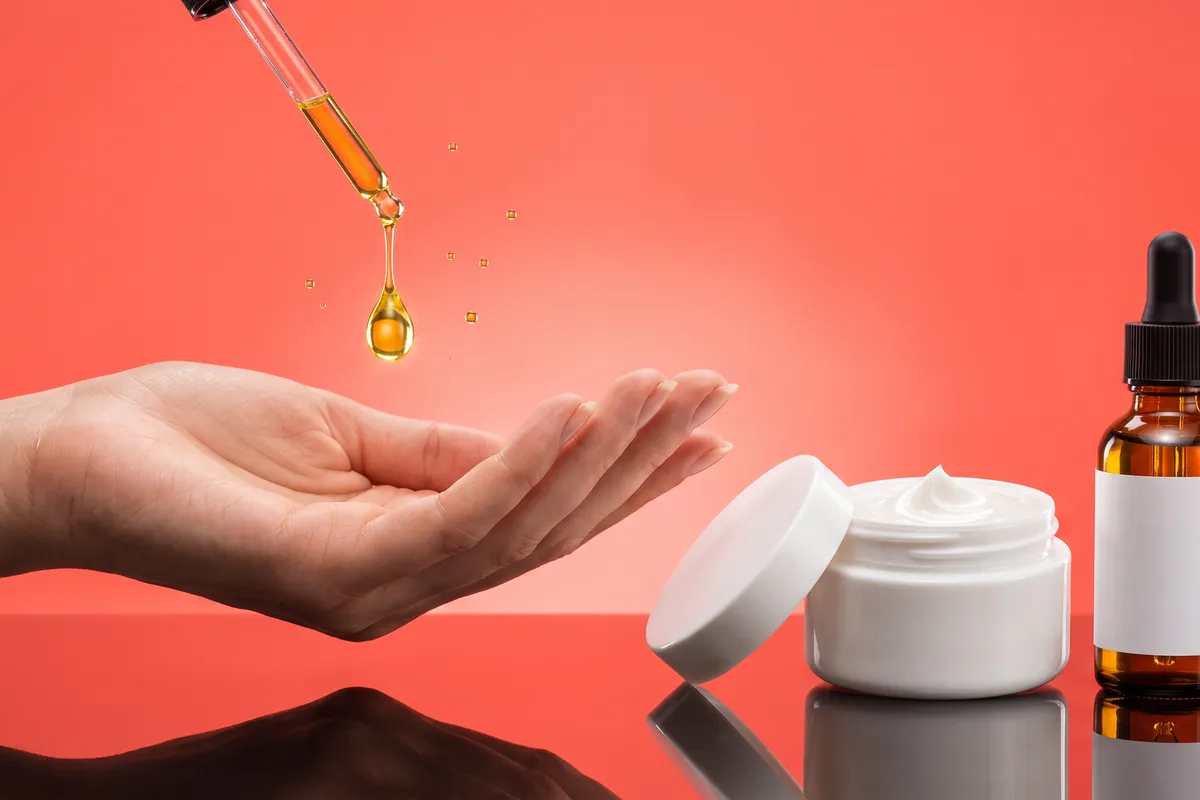
How to use face oil on dry skin
- Wash with a gentle cleanser and lukewarm water. Pat your face, don't rub it dry. You want it a little damp.
- Put on your watery layers first. Serum, then moisturizer. Dr. Vij's rule is lighter products first, oil on top.
- Warm 2 or 3 drops between your palms. Drunk Elephant and Pai both say 2 to 3 drops. More than that and it just sits on your pillow.
- Press, don't rub. Press your palms onto your cheeks, forehead and jaw. Use whatever's left on your neck or the backs of your hands.
- In the morning, oil goes before sunscreen. Give it a couple of minutes to settle, then apply SPF as usual.
The usual mistake is using oil instead of moisturizer and wondering why your skin still feels tight by lunch. The oil is the lid, not the pot. For a full routine built around that idea, see our best skincare products for dry skin.
Comparison table
| Face oil | Budget | Main oil | Fragrance or essential oils | Feel | Editorial review |
|---|---|---|---|---|---|
| Biossance 100% Squalane | Mid-range | Squalane | None (single ingredient) | Very light | None found |
| Good Molecules Squalane | Drugstore | Squalane | Fragrance-free | Very light | None found |
| Drunk Elephant Virgin Marula | Splurge | Marula | No fragrance or essential oils | Medium | None found |
| Pai Rosehip BioRegenerate | Mid-range | Rosehip | Fragrance-free | Light | None found |
| Cliganic Organic Jojoba | Drugstore | Jojoba | None (single ingredient) | Medium | None found |
| Herbivore Lapis | Mid-range | Squalane, jojoba, kukui | Yes: blue tansy, fragrance components | Light | NBC Select |
FAQs
What is the best oil for dry skin on the face?
For most people, squalane: it's light, it comes from a lipid that's naturally in your skin, and Cleveland Clinic's dermatologist calls it noncomedogenic. If your skin is very dry, try marula or jojoba. Whatever you choose, put it over a moisturizer or on damp skin.
Do you put face oil before or after moisturizer?
After, for dry skin. Oil seals in what's underneath it, so it goes on top of your water-based layers. In the morning, sunscreen still goes last.
Can I use face oil instead of moisturizer?
You can, but dry skin usually does better with both. Oil slows water loss but doesn't add water. If you only want one product, use a cream; for dry skin, the AAD suggests a cream or ointment over a lotion.
Can face oil clog pores?
Some can. Dr. Vij says oils not labeled noncomedogenic "may clog pores and cause acne flares." Squalane is the lowest-risk start. If you break out easily, patch test on your jaw for a week.
Is it OK to use face oil every day?
Yes, if your skin likes it. Two or three drops at night is plenty for most dry skin. Add a morning drop in winter if you still feel tight.
Pick a plain oil, use two or three drops, and put it on last. That's how it's meant to work.