Learning how to exfoliate skin is mostly about holding back. Exfoliating clears away the dead cells that sit on the surface, so your face can look smoother and brighter. Overdo it, though, and you get the opposite: red, tight, flaky skin that looks worse than when you started.
Products that help
Details ↓- Check price on Amazon
Affiliate link: we may earn a commission at no extra cost to you.
- Check price on Amazon
Affiliate link: we may earn a commission at no extra cost to you.
- Check price on Amazon
Affiliate link: we may earn a commission at no extra cost to you.
- Check price on Amazon
Affiliate link: we may earn a commission at no extra cost to you.
What exfoliating does, and the two ways to do it
Your skin sheds dead cells all the time, but some of them hang around and make your face look dull or rough. Exfoliating helps lift them away. There are two kinds:
- Chemical exfoliants use acids to loosen dead cells. AHAs such as glycolic, lactic and mandelic acid work on the surface. BHA (salicylic acid) is oil-soluble, so it suits oily skin and pores. PHAs are larger acid molecules that many brands make for sensitive skin.
- Mechanical (physical) exfoliants are scrubs, powders, brushes and washcloths that buff the surface.
Dermatologist Dr. Shereen Idriss told NBC Select that dermatologists prefer chemical exfoliants because they're "not as harsh on your skin." NBC reports that dermatologists generally don't recommend gritty physical scrubs on the face.
How to exfoliate skin: 7 steps
1. Match the exfoliant to your skin type
The American Academy of Dermatology (AAD) puts it plainly: "Those with dry, sensitive or acne-prone skin may prefer just a washcloth and a mild chemical exfoliator," while "those with oily, thicker skin may want to use stronger chemical treatments or mechanical exfoliation." Read the sections below for dry, sensitive and mature skin.
2. Start with one product, once or twice a week
Pick one exfoliant, not three. Dermatologist Dr. Stephen Suah told NBC Select that one to three times a week is enough for the face, and Dr. Liza Moore suggests once or twice a week for sensitive skin. "You don't want to do it every single night," Suah said. The AAD adds that "the more aggressive the exfoliation, the less often it needs to be done."
3. Exfoliate on clean skin, gently
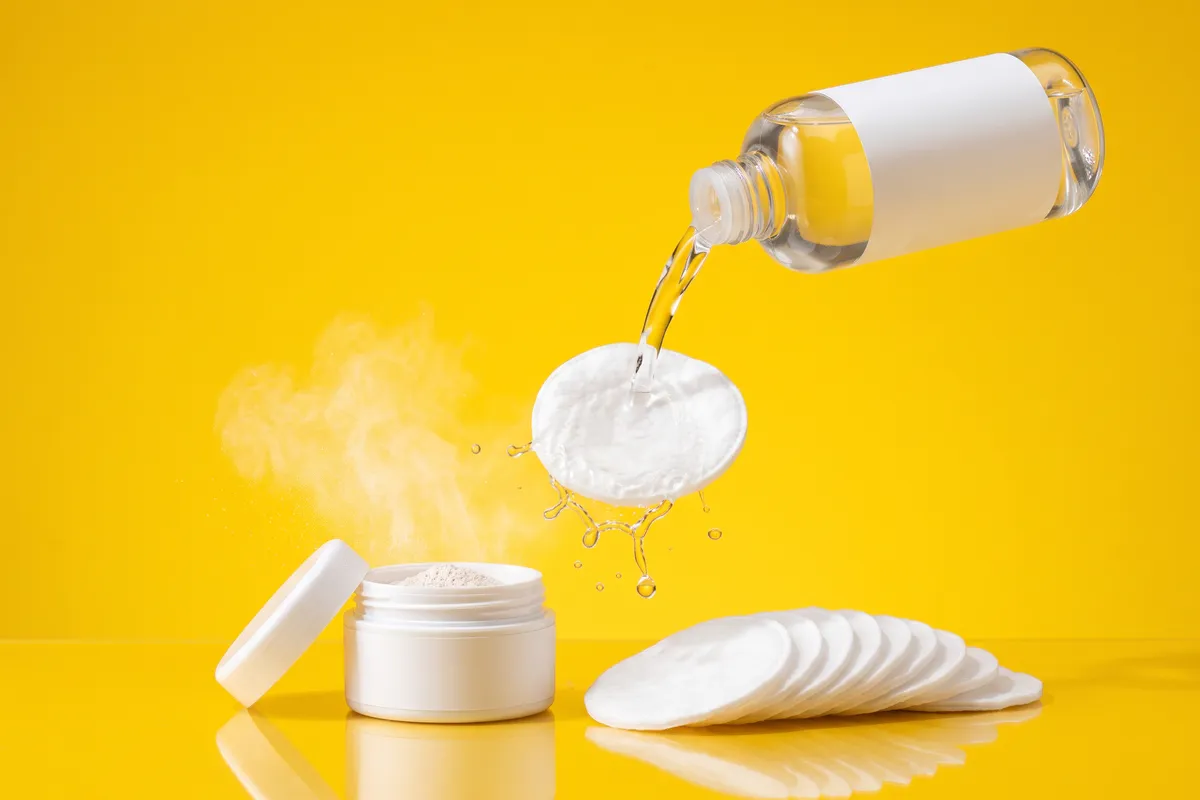
Wash with a gentle cleanser first. If you use a scrub or powder, the AAD says to "apply the product gently using small, circular motions," for "about 30 seconds," then "rinse well with lukewarm — not hot — water." For a leave-on acid toner or serum, press a few drops in with your fingers or sweep it on with a cotton pad. Don't rub hard.
4. Moisturize right away
"Apply moisturizer immediately after exfoliating to keep your skin healthy and hydrated," the AAD says. A plain, fragrance-free moisturizer is ideal. If you exfoliate at night, this is your last step.
5. Wear sunscreen the next morning
The FDA says an AHA "may increase your skin's sensitivity to the sun," and its suggested label warning tells you to "use a sunscreen, wear protective clothing, and limit sun exposure while using this product and for a week afterwards." That's why most acid exfoliants are night products.
6. Don't stack it with retinol at first
If you use retinol or a prescription retinoid, the AAD warns that "exfoliating while using these products may worsen dry skin or even cause acne breakouts." Keep them on different nights, or ask a dermatologist how to combine them. Our moisturizers to use with retinol roundup has buffers for that routine.
7. Skip it on irritated or broken skin
The AAD says: "Never exfoliate if you have open cuts or wounds or if your skin is sunburned." It also advises avoiding strong chemical or mechanical exfoliation "if you have a darker skin tone."
Signs you're over-exfoliating
"Be careful not to over-exfoliate, as this could lead to skin that is red and irritated," the AAD warns. NBC Select's dermatologists add that too much exfoliation can strip your natural oils and moisture. Watch for:
- Redness or stinging when you apply a product that never stung before
- Skin that feels tight, rough or flaky, even right after moisturizer
If that happens, stop all exfoliants for a week or two and keep your routine to a gentle cleanser, moisturizer and sunscreen. Our skin barrier repair guide walks you through the reset.
Exfoliator for dry skin (and a dry face)
The best exfoliator for dry skin is usually a low-strength lactic or glycolic acid used at night. Dr. Moore told NBC Select that "in low concentrations, these acids are not drying." The Ordinary's lactic acid serum, for example, is labeled "suited for dry skin" and pairs the acid with hyaluronic acid.
The AAD calls dry skin "damaged skin" and recommends "gentle, fragrance-free skin care products," so skip gritty scrubs and fragranced toners. A soft washcloth with your cleanser counts as exfoliating too. Put moisturizer on while your skin is still slightly damp.
Best exfoliator for sensitive skin
For sensitive skin, a gentle exfoliator with PHA, used once or twice a week, is the safest place to start. Dr. Idriss suggested PHAs for sensitive skin to NBC Select, and NBC calls them gentler and less irritating than other acids.
Patch test on a small area first, as both Glow Recipe and The Ordinary advise. If you have rosacea or eczema, Dr. Moore's advice is once or twice a week at most, and it's worth asking a dermatologist before adding any acid.
Best face exfoliator for mature skin
Mature skin often does best with the same gentle approach: a mild lactic acid or a soft enzyme powder a few times a week, plus plenty of moisturizer. The AAD's anti-aging advice is blunt: "Irritated skin looks older," and "using several anti-aging products at the same time can irritate your skin." So add one exfoliant at a time, and leave a few weeks before adding anything else.
If your main concern is rough or bumpy texture, our textured skin guide goes deeper, and the glycolic acid face wash roundup covers gentle rinse-off options.
Picks that help
Glow Recipe Watermelon Glow PHA + BHA Pore-Tight Toner
Best for: sensitive skin that's new to acids.
- Glow Recipe says it has 3% PHA and 2% BHA, and describes PHA as a "larger molecule acid" that "helps to smooth and resurface skin without irritation." The brand lists it as fragrance-free and alcohol-free.
- Dr. Liza Moore told NBC Select it's "a great option for beginners who are just starting out with chemical exfoliants."
- Keep in mind: the brand says it's safe to use every day, but on sensitive skin we'd start with two or three nights a week and patch test first, as Glow Recipe suggests.
The Ordinary Lactic Acid 5% + HA 2%
Best for: an exfoliator for dry skin and a dry face, on a budget.
- The Ordinary calls it "a milder exfoliator that works to reveal smoother skin" and lists it as "suited for dry skin." It's a water-based serum with lactic acid and hyaluronic acid.
- Directions: "Apply once daily, ideally in the evening." The brand says you can dilute it with other products until your skin gets used to it.
- Keep in mind: the brand page says "do not use on sensitive, peeling, or compromised skin," and carries the FDA sunburn alert, so wear sunscreen the next day.
Pixi Glow Tonic Exfoliating Toner
Best for: normal, combination and oily skin that wants a simple glycolic toner.
- Pixi says it's "formulated with 5% Glycolic Acid," designed for daily use and "suitable for all skin types." The amazon.com listing adds aloe vera and ginseng and calls it alcohol-free.
- You sweep it on with a cotton pad after cleansing, so it's an easy way to try an AHA.
- Keep in mind: daily use is too much for many dry or sensitive faces. Start two or three nights a week.
Dermalogica Daily Microfoliant
Best for: people who like a polish but want something softer than a gritty scrub.
- It's a rice-based powder that turns into a creamy paste with water. Dermalogica lists papain (a papaya enzyme), salicylic acid and rice bran, plus colloidal oatmeal and allantoin.
- Dermalogica says it's "recommended for all skin types" and suggests starting every other day if your skin is new to exfoliation or sensitive. NBC Select's Cory Fernandez said it "does a great job of evening out my skin texture."
- Keep in mind: it's a splurge, and it still contains salicylic acid, so don't pair it with another acid on the same night.
FAQs
How often should you exfoliate your face?
Once to three times a week for most people. NBC Select's dermatologists suggest one to three times a week in general, once or twice for sensitive skin, and up to three or four for oily skin. Start at the low end.
What is a gentle exfoliator for sensitive skin?
A low-strength PHA or lactic acid product used once or twice a week. Dermatologists told NBC Select that PHAs are gentler and less irritating than other acids. Patch test before using it on your whole face.
Is a scrub or an acid better for a dry face?
A mild acid, for most people. The AAD says dry or sensitive skin "may prefer just a washcloth and a mild chemical exfoliator," and dermatologists told NBC Select they prefer chemical exfoliants on the face because they're "not as harsh."
Should I exfoliate in the morning or at night?
At night, if you're using an acid. The FDA says AHAs can make your skin more sensitive to the sun, so most brands, including The Ordinary, suggest evening use. Wear sunscreen the next morning either way.
Can I exfoliate if I use retinol?
Carefully, and not on the same night at first. The AAD says exfoliating while using retinol "may worsen dry skin or even cause acne breakouts." Alternate nights, and stop if your skin gets red or flaky.
What's the best exfoliator for mature skin?
Usually a mild lactic acid or a gentle enzyme powder, a few times a week. The AAD notes that "irritated skin looks older," so a gentle product you can use consistently beats a strong one your skin can't tolerate.
One mild product, a couple of nights a week, then moisturizer: that's how to exfoliate skin without paying for it later.